
CBD for Sleep: Does It Actually Work? Research-Backed Guide 2026
A CB2 receptor in immune cells may be targeted by other substances, signaling inflammation in your body, which age verification in online commerce is a frequent indicator of autoimmune conditions. Since your body generates them as required, recognizing typical levels for each can be challenging. Produced internally, they share similarities with cannabinoids.
Here is a framework that integrates CBD with evidence-based sleep hygiene. CBD works best as part of a consistent sleep routine, not as a standalone fix. Addresses both sleep timing , melatonin, and sleep barriers (CBD anxiety/tension reduction). If you try this combination, start with a low dose of each and adjust one variable at a time so you know what is actually helping. High cortisol at night is a known cause of insomnia and night waking, so cortisol reduction may directly improve sleep.
The ECS exists and is active in your body even if you don’t use cannabis. I can definitely see myself adding CBD to my nightly routine now. Over a period of four nights — I experimented with all of the tinctures at various doses to see how they affected me. If you’re looking for a sleep-supporting CBD oil without THC, Medterra’s Enhanced Relief tincture is one of the best THC-free options on the market.
Comparing the best CBD gummies for sleep
An open-labeled study evaluated the role of THC in chronic PTSD, finding improvement in sleep quality and decreased nightmare frequency; however, some minor side effects were reported , e.g., dizziness, headache, . A small placebo-controlled trial also demonstrated reduction in nightmares . Another study on treatment-resistant PTSD patients showed reduction in intensity of nightmares while improving sleep quality and time as well as decreasing flashbacks .

Prior to using cannabis, consult your doctor regarding any potential interactions with your current prescriptions and supplements. The risk of adverse reactions when combining CBD with herbal supplements like kava — melatonin, and St. John’s wort is similar. Its influence on cortisol and anxiety may enhance deep sleep duration and might decrease nighttime awakenings. By reducing cortisol levels — CBD could potentially lessen awakenings in the middle of the night. After confirming that your body can tolerate it, you might think about raising your dosage to the suggested level.
Don’t Just Test Your Sleep. Comprehend it fully.
It has also been discovered that the body can create endogenous cannabinoids that function as chemical messengers; using cannabis-based products produces comparable effects. Throughout the body and within the central nervous system, where sleep is mainly managed, this intricate network of cannabinoid receptors is located. The rise of social media exposure regarding the claimed advantages of this product (along with the absence of clear regulations), is resulting in its widespread use for treating sleep disorders.
When purchasing CBD, ensuring that you choose a product from a trustworthy brand known for quality is essential. Since the USP and NSF do not regulate CBD products, it’s important to seek out certifying agencies that are specifically involved with CBD. Conversely, certain substances like melatonin can have a sedative impact, potentially causing drowsiness if consumed at inappropriate times or dosages. If you intend to use CBD during the day, it may be wise to avoid excessive relaxation-inducing components, particularly melatonin, to prevent unwanted drowsiness. Pay attention to both the ingredients and sugar levels, especially when consuming them prior to bedtime. If you prefer to take CBD without using oil — gummies present a suitable alternative.
For instance (Δ9-THC), the mind-altering element of Cannabis, functions as a partial agonist of the cannabinoid receptors CB1 and CB2, whereas CBD, the second most prevalent phytocannabinoid, shows a limited affinity for CB1 or CB2 receptors, despite having the same molecular formula as Δ9-THC. Cannabinoids exert their effects within the body by modulating multiple targets simultaneously. We’ll use the data you choose to share to find connections and provide you with personalized, content-based insights to help you get the best sleep possible. As with any supplement or medication, it’s a good idea to talk with your doctor before you begin using CBD products.
“From my understanding, there have never been any prescription medications that have also been sold simultaneously in food and drink or as supplements,” says Babalonis. To some extent it’s because limited resources prevent the FDA from doing much more than issuing warning letters to companies. “You’re not going to face legal action for buying CBD products if you don’t break the federal law,” says Koturbash. Still, experts say prosecution is unlikely as long as users don’t buy CBD products that also contain levels of THC that exceed the federal limit. Experts also note the limited research on CBD thus far.
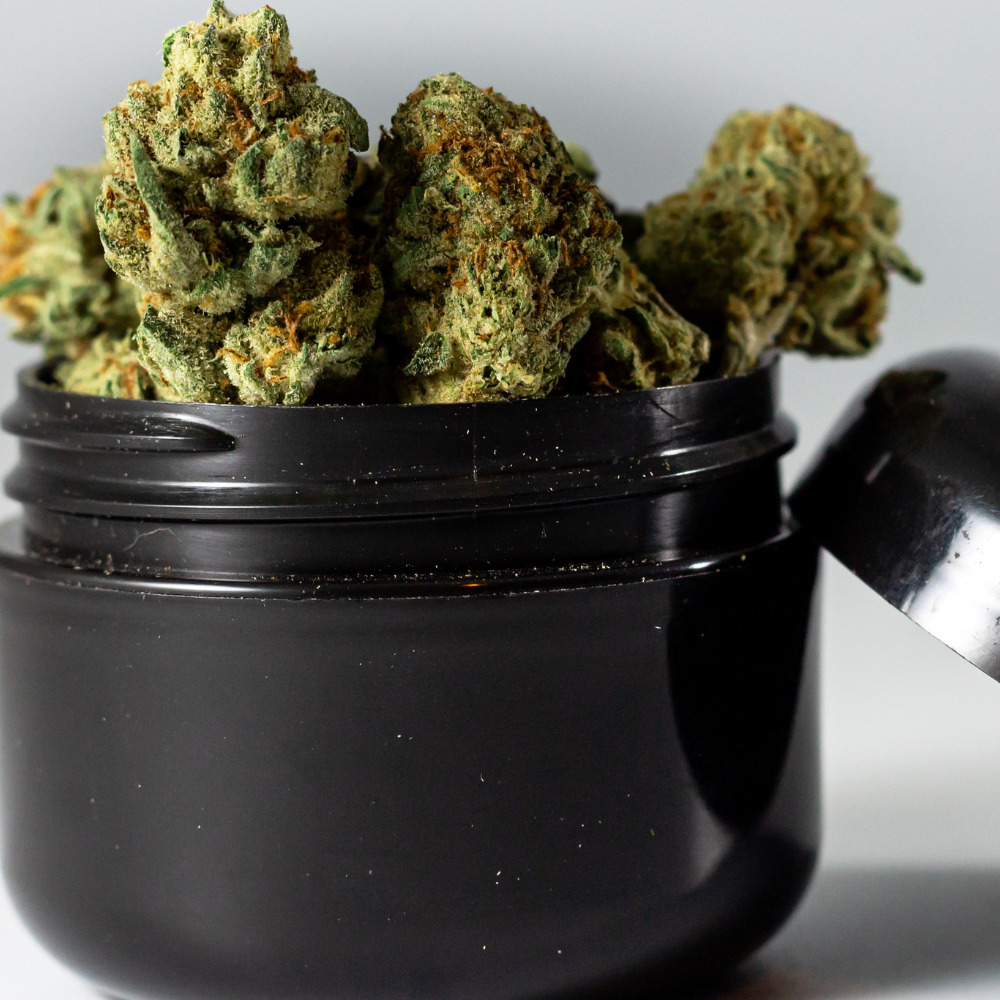
What side effects might be associated with CBD?
But “there’s a big gap in our knowledge” for how cannabis affects overall sleep quality long-term or if it can help people with sleep disorders. But “at this point, we do not recommend the use of cannabis products for treatment of sleep apnea or other sleep disorders,” Kolla says. “I think we need larger sample sizes with one or two formulations which work for the majority of people so we can demonstrate efficacy and safety – I think this is going to be crucial for cannabinoids to be considered as a first-line therapy.” The results for people with anxiety and both depression and anxiety found that cannabis was effective (based on self reports), with no differences by age group, by oil vs. flower or by strain choice.
It’s best to avoid combining CBD with other supplements unless medically necessary. For sleep, daily use before bed is ideal—unless you’re using CBD for other reasons during the day. Most CBD tinctures take 30 to 60 minutes to have an effect—sometimes longer depending on your metabolism and the formulation. If that dose is not effective after a few nights, increasing by 5–10 mg increments every few nights is recommended until the optimal dose is reached. “In most cases, a 25 mg CBD dose is a safe place to start. As for CBN, while it’s often marketed as a sleep aid, there’s limited research supporting its use—most findings come from combination treatments like Dr. Walsh’s study.