
The Rise of Social Casinos and Free to Play Gambling
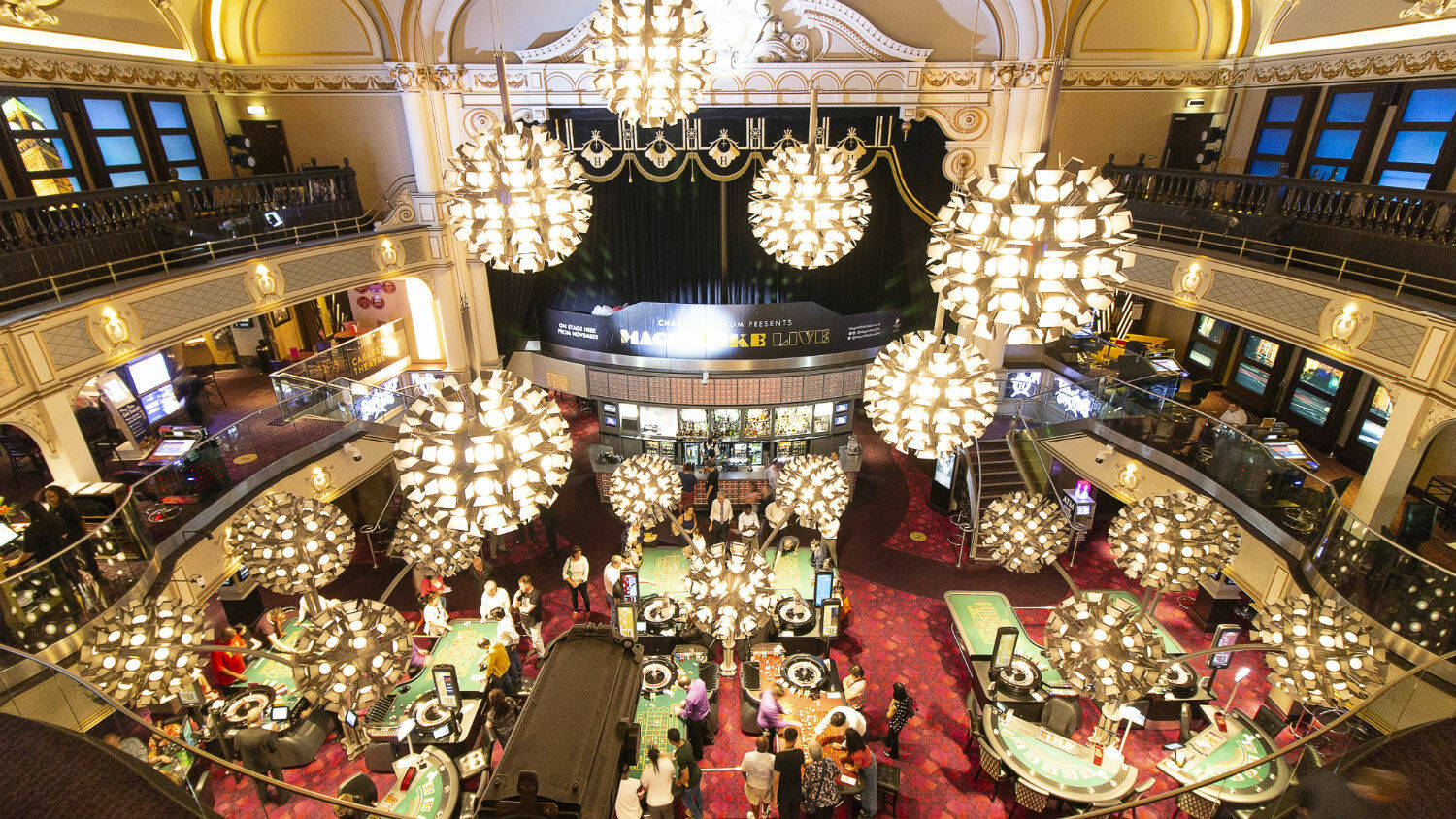
The gambling industry has undergone significant transformations in recent years, particularly with the advent of digital technologies and changing consumer preferences. One of the most notable trends is the rise of social casinos and free-to-play slots at National Casino gambling. This report explores the factors contributing to this phenomenon, its implications for traditional gambling, and the potential future trajectory of this evolving sector.
Understanding Social Casinos
Social casinos are online platforms that offer casino-style games such as slots, poker, and bingo without the use of real money. Instead, players use virtual currencies that can be earned through gameplay or purchased with real money. These platforms are characterized by their social features, allowing players to interact with friends, share achievements, and compete in leaderboards. Unlike traditional casinos, social casinos do not offer cash payouts, which differentiates them from real-money gambling sites.
The Growth of Free-to-Play Gambling
The free-to-play gambling model has gained immense popularity, particularly among younger audiences. This model allows players to enjoy gambling experiences without financial risk, making it an attractive option for those who may be hesitant to engage in real-money gambling. The success of this model can be attributed to several factors:
- Accessibility: Social casinos are easily accessible via mobile devices and computers, allowing players to engage anytime and anywhere. This convenience has contributed to the rapid growth of the sector.
- Social Interaction: The incorporation of social elements enhances the gaming experience. Players can connect with friends, join teams, and participate in community events, fostering a sense of belonging and engagement that traditional gambling lacks.
- Gamification: Social casinos employ gamification techniques to enhance user engagement. Features such as daily rewards, challenges, and achievements encourage players to return regularly, increasing their time spent on the platform.
- Low Barrier to Entry: The absence of financial stakes lowers the barrier to entry for new players. This aspect is particularly appealing to casual gamers and those who may be wary of the risks associated with traditional gambling.
Market Trends and Statistics
The social casino gaming market has experienced explosive growth in recent years. According to a report by Newzoo, the global social casino market was valued at approximately $5.3 billion in 2020 and is projected to reach $8.2 billion by 2025. This growth is driven by the increasing popularity of mobile gaming and the rising number of social media users.
Moreover, the COVID-19 pandemic accelerated the shift towards online entertainment, with more individuals turning to social casinos as a means of recreation during lockdowns. The increased time spent at home led to a surge in downloads and engagement on social casino platforms.
The Impact on Traditional Gambling
The rise of social casinos and free-to-play gambling has significant implications for traditional gambling establishments. While some may view social casinos as competitors, others see them as complementary to the overall gambling ecosystem. Key impacts include:
- Changing Consumer Behavior: As younger generations become more accustomed to social casinos, their preferences may shift away from traditional gambling methods. This trend could lead to a decline in brick-and-mortar casino revenues as players gravitate towards more interactive and socially engaging experiences.
- Regulatory Challenges: The distinction between social casinos and real-money gambling has raised questions regarding regulation. While social casinos do not pay out cash, the potential for monetization through in-game purchases and virtual currency raises concerns about responsible gaming practices and consumer protection.
- New Revenue Streams: Traditional casinos are beginning to explore partnerships with social casino platforms to tap into their user bases. By offering loyalty programs and cross-promotions, brick-and-mortar establishments can attract social casino players to their physical locations.
The Role of Technology
Technological advancements have played a crucial role in the rise of social casinos. Innovations such as virtual reality (VR) and augmented reality (AR) are beginning to reshape the gambling landscape. These technologies offer immersive experiences that can enhance player engagement and create new opportunities for social interaction within gaming environments.
Additionally, the integration of artificial intelligence (AI) in social casinos allows for personalized gaming experiences. AI algorithms can analyze player behavior and preferences, enabling platforms to tailor content and marketing strategies to individual users.
Future Outlook
As the social casino and free-to-play gambling markets continue to expand, several trends are likely to shape their future:
- Increased Regulation: As the lines between social casinos and real-money gambling blur, regulatory bodies may implement stricter guidelines to ensure consumer protection and responsible gaming.
- Enhanced Social Features: The demand for social interaction will drive the development of new features that foster community engagement. Expect to see more collaborative games, team competitions, and social events within these platforms.
- Integration with Real-Money Gambling: Some social casinos may explore hybrid models that allow players to transition from free-to-play experiences to real-money gambling, creating a seamless pathway for users.
- Focus on Responsible Gaming: As concerns about problem gambling rise, social casinos will need to prioritize responsible gaming initiatives. Implementing features that promote healthy gaming habits will be essential for maintaining user trust and compliance with regulations.
Conclusion
The rise of social casinos and free-to-play gambling represents a significant shift in the gambling landscape. Driven by technological advancements, changing consumer preferences, and the desire for social interaction, these platforms are reshaping how individuals engage with gambling. As the industry continues to evolve, both traditional and social casinos will need to adapt to meet the demands of a new generation of players while ensuring responsible gaming practices are upheld. The future of gambling will likely be defined by the interplay between these two worlds, creating a dynamic and multifaceted entertainment experience.
Leave a Reply
Want to join the discussion?Feel free to contribute!